

Ameican Indian : ค้นหาหนังสือธรรมะ หน้า 5 / 6
หน้าหนังสือทั้งหมด
6
วิวัฒนาการของอันตรภาคในพระพุทธศาสนา
ธรรมภาษ วรรณวิชาการทางพระพุทธศาสนา
ปีที่ 7 ฉบับที่ 2 (ฉบับรวมเล่มที่ 13) ปี 2564
บทนำ
พระพุทธศาสนาปฏิรูปสงฆ์ของ “atman” (อาตมัน) หรือ
“atta” (อัตตา) ซึ่งศาสนาพราหมณ์-ฮินดูถือว่าเป็นสิ่งที่เที่ยงแท้
บทความนี้พูดถึงการปฏิรูปของพระพุทธศาสนาเกี่ยวกับคำว่า “atman” และ “atta” ที่เกี่ยวข้องกับกรรมและการเกิดใหม่ พร้อมวิเคราะห์ความหมายของอันตรภาคระหว่างมรณภาพและการเกิดใหม่ ตามความเชื่อในพระพุทธศาสนา โดยอ
50
ธรรมธาราวรรณวาสนา วิถีแห่งพระพุทธศาสนา
152
ธรรมธาราวรรณวาสนา วิถีแห่งพระพุทธศาสนา
ปีที่ 7 ฉบับที่ 2 (ฉบับรวบรวม 13) ปี 2564
3. คัมภีร์ภาษาจีน
Taishō Issaikyō Kankōkai 大正一切經刊行會 (Taisho Tripitaka PublicationAssociation). Taishō Shinshū Daiz
เนื้อหานี้สรุปหัวข้อที่เกี่ยวกับพระพุทธศาสนาและการศึกษา รวมถึงคัมภีร์ภาษาจีนและอังกฤษที่สำคัญ เช่น Taishō Shinshū Daizōkyō และ The Numerical Discourses of the Buddha. นอกจากนี้ยังมีหนังสือและวารสารที่
3
說一切有部の成立に関する考察
說一切有部の成立(1)*
MITOMO Kenyo**
Abstract
說一切有部は現実肯定的にとられる名称を付けていますが、はたして彼自身当初から說一切有部と称していたのだろうかと素朴な疑問を抱かざるを得ない。說一切有部はまた說因部、因語部、一切語部、分別說部などと称されていたと伝承されており、もともとは彼らがそれぞれ稱していたようだ。sabatthavādaという名称は一切が有るという教
本論文は、說一切有部の名称についての考察から始まり、彼らが他にどう称されていたかを探ります。また、sabatthavādaという名称がどのように発展したのか、その背後にある教理を整理する過程を明らかにしたいと思います。彼自身が初めからこの名称を使用していたのか、歴史的な背景についても考察します。sabatthavādaは物事が存在するという教理の特徴を示しており、その後の呼称についての議論も行いま
34
วารสารวิชาการทางพระพุทธศาสนา ฉบับที่ 4 ปี 2560
ঠรรธรรมาธาร
วารสารวิชาการทางพระพุทธศาสนา ฉบับที่ 4 ปี 2560
MITOMO, Kenyō (三友健容).
1997 "Goji-hiho-to-ubu-no-seiritusu五事非法法และ部の成立 (วัตถุ 5 ประการที่เป็นอธรรม และกำเนิดสวาสดิ์วัตร)."
Njiren-kyōga
วารสารฉบับนี้นำเสนอผลงานวิจัยที่เกี่ยวข้องกับพระพุทธศาสนา โดยมีบทความจากผู้เขียนหลายท่าน รวมถึง MITOMO, Kenyō และ PRZYLUSKI, Jean ซึ่งได้ศึกษาเรื่องกฎระเบียบทางพระพุทธศาสนา สัมพันธ์ของคัมภีร์ และกรณีศ
35
Research on the History of Buddhism and Early Buddhist Schools
SHIZUTANI, Masa'o (靜谷正雄).
1978 Shōjo-bukkyōshi-no-kenkyū: buha-bukkyō-no-sei-ritsu-to-hensen 小乗仏教史の研究-派仏教の成立と変遷- (งานวิจัยประวัติศาสตร์พระพุทธศาสนานิยาม: กำเนิดและพัฒนาการพุทธศาสนายุคแตกนิกาย) Kyoto:
เอกสารนี้รวบรวมผลงานวิจัยที่สำคัญเกี่ยวกับการก่อตั้งและพัฒนาการของพระพุทธศาสนา ทั้งในเอเชียตะวันออกและภูมิภาคอินเดีย งานของ Shizutani, Teramoto และ Tsukamoto จะมุ่งเน้นไปที่สายการพัฒนาพุทธศาสนาและการเ
3
説一切有部の成立
説一切有部の成立(2)*
MITOMO Kenyo**
Abstract
説一切有部は現実肯定的にとらえる名称を付けていますが、はたして彼ら自身当初から説一切有部と称していたのだろうかと素朴な疑問を抱かざるを得ない。説一切有部はまた説団部、因論、一切言語部、分別説部などと称されていたと伝承されており、もともとは彼らがそれぞれそれ称していたようだ。sabbatthāvadāという名称は一切が有ると
本論文では説一切有部が他の名称とどのように結びついているのかを探求します。また、sabbatthāvadāという用語の起源と、その後の名称の変遷についても考察します。説一切有部が当初から名乗っていたかどうかについても言及し、理解を深めます。詳しい内容はdmc.tvを参照してください。
28
Samayabhedoparacanacakra: คำแปลพร้อมเชิงอรรถวิเคราะห์
2559ฅ "Samayabhedoparacanacakra: คำแปลพร้อมเชิงอรรถวิเคราะห์(2)." ธรรมาธาราวทธศาสตร์ทางพระพุทธ-ศาสนา 2(2): 57-106.
เมธี พิทักษ์ชีระธรรม, แปล.
2560 "การกำเนิดนิยาสวรรคติวาท (1)." ธรรมาธาราวารสารวิชากา
การศึกษาเกี่ยวกับ Samayabhedoparacanacakra พร้อมคำแปลและเชิงอรรถวิเคราะห์ เป็นงานวิจัยที่สอดคล้องกับแนวทางการศึกษาพระพุทธศาสนา โดยมีเนื้อหาเกี่ยวกับการตีความและการวิเคราะห์เชิงลึก เพื่อให้เข้าใจในบริบ
30
Comparative Studies of Early Buddhist Texts
THERAMOTO, Enga, and Tomotsugu HIRAMATSU (寺本媛,平松政則).
1974 Zō-kan-wa-sanyaku-taiko: Ibushūrinron 藏漢和三譯対校: 異部宗輪論 (คำปลเปรียบเทียบสามภาษา ทินเดด จีน ญี่ปุ่น: คัมภีร์สมเด็จเทพจันจักร). Tokyo: Kokushokank
This book provides an in-depth examination of early Buddhist texts from a comparative perspective, focusing on the translations of Chinese and Japanese scriptures. The historical analysis of the forma
30
The Four Positions of Catuskoti in Mahāyāna Buddhism
Ruegg, David Seyfort.
1977 The use of the four positions of the Catuskoti and the problem of the description of reality in Māhāyana Buddhism. Journal of Indian Philosophy Vol.5: 1–171. cited in Wester
This text examines the use of the four positions of the Catuskoti in Mahāyāna Buddhism and its significance in the understanding of reality. The philosophical underpinnings of Nāgārjuna's Madhyamaka a
37
Historical Studies on Buddhism and Ancient India
1995a “The Dates of the Buddha and the Origin and Spread of the Theravāda Chronology.” When did the Buddha Live?: The controversy on the Dating of the Historical Buddha (Selected Papers Based on a Sym
This content features important scholarly works related to the historical dating of the Buddha and significant ancient figures such as Antiochus and Asoka. The controversy surrounding the historical B
38
Historical Studies on the Mauryan Dynasty and Indian History
Nakamura, Hajime (中村元).
1955 "Ma'uriya-ōchō-no-nendai-ni-tsuite マウリヤ王朝の 年代について (On the Dates of the Mauryan Dynasty)."
Tōhōgaku 東方学 10: 1-16(R).
1997 "Fuhen-ni:mauriya-ōchō-narabini-gōtama-budd
This collection includes works by Hajime Nakamura discussing the dating of the Mauryan Dynasty and the era of the Buddha. It also references Frederick Eden Pargiter's examination of dynasties during t
39
Political and Religious History of Ancient India
RAYCHAUDHURI, Hemchandra.
1953 Political History of Ancient India: From the Accession of Parikshit to the Extinction of the Gupta Dynasty.
Calcutta: University of Calcutta.
RHYS DAVIDS, Thomas Willia
This work examines the political transitions in Ancient India from Parikshit to the decline of the Gupta Dynasty, capturing the significant events and influences during this period. Additionally, it d
61
The Pali Language and the Theravadin Tradition
NORMAN, K.R.
1983 “The Pali Language and the Theravadin Tradition.”
A History of Indian Literature: 1-2, edited by Jan Gonda. Wiesbaden: Otto Harrassowitz.
PEW Research Center.
2017 “World Bu
This text discusses the significance of the Pali language within the Theravadin Buddhist tradition. It examines its historical roots, literary contributions, and the ongoing impact on Buddhist practic
61
Pāli Literature and Studies
Vanarathne, Ranjith.
1980. *Theravadi Samanera Banadaham Pota.* Colombo:
Samayawadhana.
Wardar, A.K.
1967. *Pali Metre: A Contribution to the History of Indian Literature.* London: The Pali Text Soci
This collection highlights significant works in Pāli literature, including Ranjith Vanarathne's *Theravadi Samanera Banadaham Pota*, and A.K. Wardar's *Pali Metre*. Additionally, it features articles
68
ธรรมหารวาวสารวิชาการทางพระพุทธศาสนา ฉบับที่ 1 ปี 2559
ธรรมหารวาวสารวิชาการทางพระพุทธศาสนา ฉบับที่ 1 ปี 2559
กำแพงสูงมาสู่บรรพชิตได้ และหากระลึกถึงธรรมเย็นศิลสมในพระวินัย ก็จะทำให้ก็ภูษณาใจขึ้น ซึ่งศิลนั้น แปลว่า ปกติ120 ที่ทำด้วยความเต็มใจเป็นปกติ ดังศี
เนื้อหานี้เน้นเกี่ยวกับการพัฒนาความเข้าใจในศีลและธรรมของพระพุทธศาสนา โดยเฉพาะศีลธรรมที่มีความสำคัญต่อชีวิตประจำวันของมนุษย์และนักบวช นอกจากนี้ยังมีบรรทัดฐานสำหรับนักปฏิบัติธรรม นำเสนอทั้งความหมายและตั
44
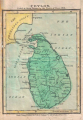
CEYLON.
Ceded to Great Britain, by the Treaty of Peace, 1801.
THE
CAPE OF GOOD HOPE
CEYLON
INDIAN
OCEAN
184
The Path to Sainthood According to Buddhism
Whenever the Buddha arises in the world and our Perfections are sufficiently developed, we too may be the first disciple to attain Sainthood in that Buddha’s dispensation, in the same way as Koṇḍañña.
The text discusses the possibility of achieving Sainthood when the Buddha arises and our Perfections are fully developed, exemplified by Koṇḍañña. If not, there's potential for rebirth in heavenly rea
241
Understanding Sensory Terms in Buddhism
gammo (adj. reason why people icchā (see jealousy)
settle for the household life: see iddhipada (see Four Foundations
harm of sensual-indulgence) of Success)
gandha (scant: see sense-objects) Indra (P
This text delves into various sensory terms found in Buddhist scriptures, particularly focusing on olfactory and gustatory experiences. It covers concepts such as gandha (smell), jihvā (taste), and th
242
Glossary of Key Buddhist Terms
Kakusandha (P. the name of a käya samphassa (tactile contact: past Buddha) see sense-contact)
kalla (see embryonic precursor) käyasucarita (see wholesome
kāma (see sensuality) physical deeds)
kāmabhav
This text provides a glossary of key Buddhist terms, including definitions and insights into concepts such as Käyasucarita (wholesome physical deeds), Kāmabhava (sense-sphere existence), and various f
243
Buddhist Terminology and Concepts
Speech at the transcendental level) see sense consciousness) manussasampatti (see worldly wealth) Mara q.v. (P. devil, demon) maggañāṇa (see knowledge of the path out of defilements) maraṇa (see dying
This text delves into essential Buddhist terms and their meanings. It covers concepts such as Mara (the demon), Mettā (loving-kindness), and the significance of terms like 'maraṇa' (dying) and 'mutti'